Why Your Dog Needs the Same Walker Every Time

Consistency isn't just a perk — it's the foundation of genuine animal care. Here's what the science says about caregiver attachment in dogs.
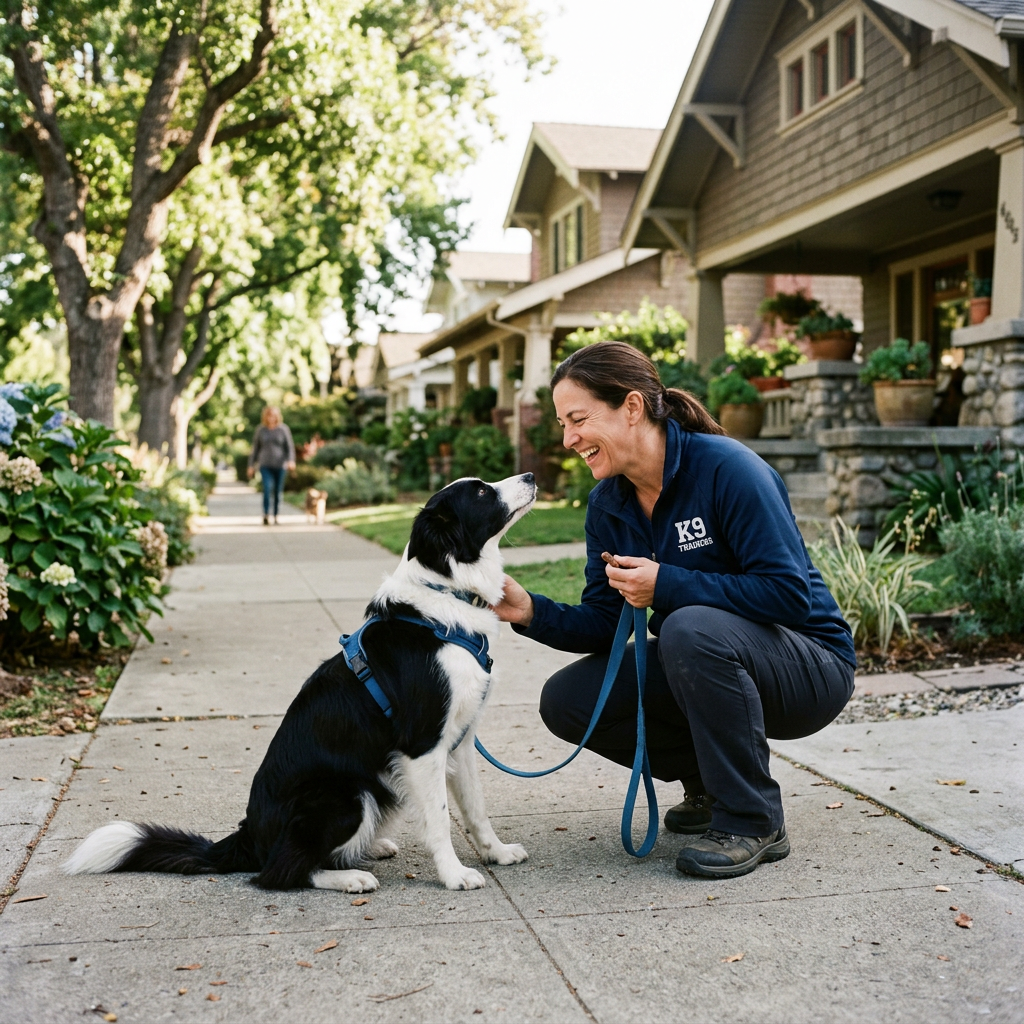
Ask any experienced dog walker what separates a good service from a great one, and the answer usually comes back to the same thing: the relationship. Not the route, not the duration, not even the price. The relationship between a dog and its caregiver is the single most reliable predictor of a positive experience — for the dog, the owner, and the walker.
Yet most on-demand pet care platforms treat caregivers as interchangeable. A different person shows up each week — sometimes a different person each day. For humans, this might be fine. For dogs, it's a source of low-grade stress that compounds quietly over time.
What Attachment Science Tells Us
Dogs form secure attachment bonds with the humans they trust. Research by ethologist John Bradshaw and others has shown that dogs actively seek proximity to their primary attachment figures when stressed — and that unfamiliar people, even friendly ones, trigger measurable increases in cortisol levels.
In practical terms, this means a dog who sees a new walker every week is spending part of every walk in a mild stress response. The dog may still appear happy — tail wagging, sniffing around — but physiologically, they're operating at a higher alert level than they would with a familiar person.
A dog who knows their walker is a dog who can actually relax on a walk. Everything else follows from that.
What This Looks Like in Real Life
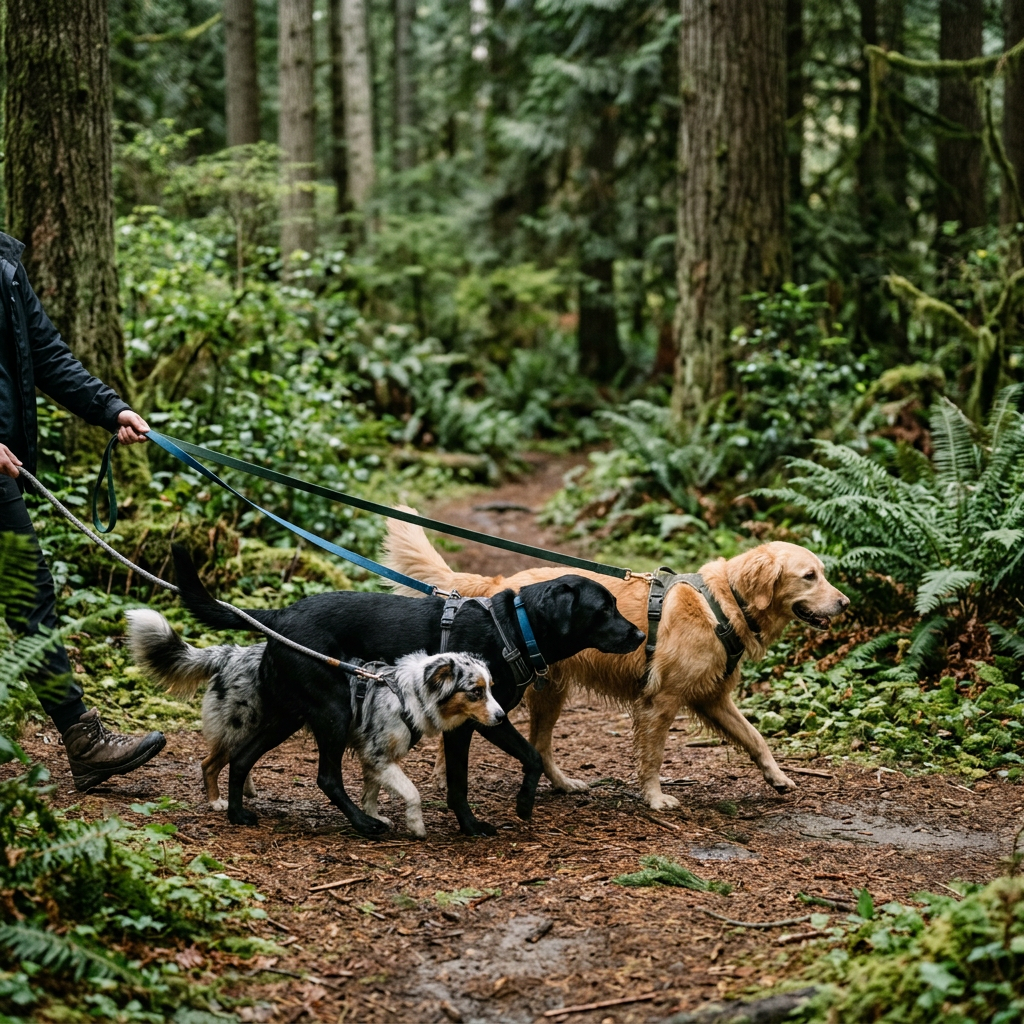
The difference is observable within a few weeks of consistent caregiver assignment. Dogs who walk with the same person:
- Settle into a calmer, more exploratory walk pace
- Are easier to redirect during encounters with other dogs or distractions
- Display fewer displacement behaviors (yawning, lip-licking, ground-sniffing mid-stride)
- Return home less amped-up and more genuinely tired
That last point matters more than it sounds. A dog that comes home mentally satisfied — rather than overstimulated — is a dog that rests well, eats well, and is easier to live with the rest of the day.
How We Build This Into Our Model
Every client at The Pet Care Club is assigned a primary caregiver before any paid service begins. That person does the meet-and-greet, learns your dog's history, and becomes the consistent face your dog associates with walks. We also assign a secondary caregiver who meets your dog early — so coverage on sick days or vacations never means a stranger at your door.
It's a more demanding model to operate. Matching requires time. Backup logistics require coordination. But after years of doing this, we're convinced the relationship-first approach produces better outcomes across every metric that matters: calmer dogs, more engaged caregivers, and owners who can actually trust the service they're paying for.
If your dog has ever come home from a walk looking unsettled, or if you've noticed them hesitating at the door when the walker arrives — that hesitation is worth paying attention to. Consistency is the fix.