Caring for a Senior Dog: The Adjustments That Make the Biggest Difference
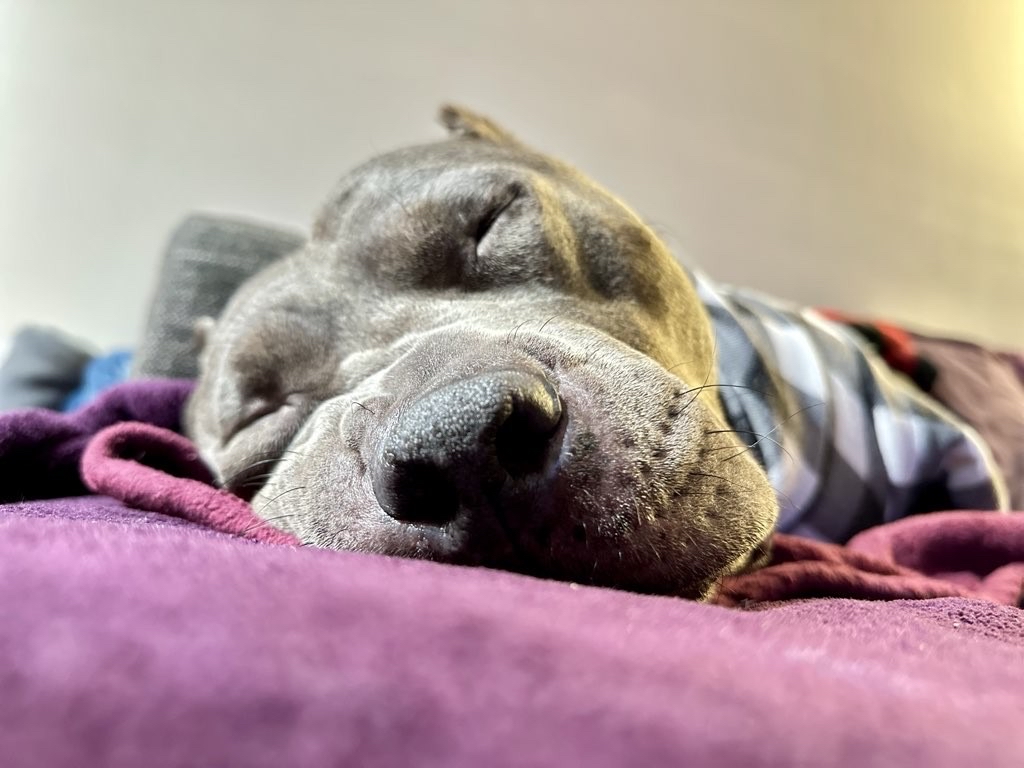
Slower walks, softer beds, and more frequent check-ins — caring for an older dog requires attention to detail. Our senior care guide covers all of it.
The shift to senior dog status is gradual — there's no single day when a dog goes from adult to old. For most breeds, the transition begins somewhere between seven and ten years, with large and giant breeds aging faster than small ones. What changes is not your dog's need for care, but the specific form that care should take.
Movement: Less Intensity, More Frequency
Senior dogs still need daily movement — often more desperately than they let on, because low-level pain and stiffness can make them seem less interested in walks than they actually are. The adjustment is in structure, not elimination.
- Replace long walks with multiple shorter ones (three 15-minute walks beats one 45-minute walk)
- Prioritize soft surfaces — grass and dirt over concrete when possible
- Slow the pace and let the dog set it, especially in the second half of any walk
- Watch for lameness that appears partway through a walk and disappears after rest — this is often an early arthritis sign
Post-walk rest is not optional. Senior dogs need longer recovery time after exertion. A dog who seemed fine on the walk but is stiff the next morning was overworked the day before.
Cognitive Changes: The Signs Owners Miss
Canine cognitive dysfunction (CCD) — the dog equivalent of dementia — affects a significant percentage of dogs over age fifteen, and a meaningful percentage between ten and fifteen. Signs include:
- Seeming confused or disoriented in familiar environments
- Standing facing corners or walls
- Altered sleep-wake cycles (sleeping more during the day, restless at night)
- Decreased responsiveness to familiar people
- House training regression with no apparent medical cause
CCD is progressive but manageable. Environmental predictability — consistent routines, familiar sleeping spots, stable layouts — significantly reduces confusion-related distress. Enrichment activities that keep the brain engaged (puzzle feeders, gentle training, scent games) slow cognitive decline more than any supplement.
Pain Management: The Underrated Priority
Most senior dogs in pain don't cry or yelp. They go quiet. They stop initiating play. They sleep more. They're more irritable when touched in certain spots. They hesitate at stairs. These are pain signals, not personality changes.
If your senior dog suddenly seems grumpy or withdrawn, assume pain before you assume attitude. They almost always mean pain.
If you notice behavioral changes that don't have an obvious environmental cause, a conversation with your vet about pain management is the right next step. Adequately managed pain changes the quality of a senior dog's daily life more dramatically than almost any other intervention.
What This Means for Care Visits
When our caregivers work with senior dogs, several things change. Walk pace is dog-led. Rest breaks are offered proactively. Post-walk observation is more detailed — we note any gait changes, whether the dog returned to normal mobility within a few minutes, and whether appetite or thirst changed after exertion. These details matter to you and to your vet.
Senior dogs are often the most rewarding dogs to spend time with. The relationship is rich, the needs are specific, and the care required is exactly the kind of attentive, consistent presence that defines good pet care regardless of the dog's age.