Reading Stress Signals: What Your Dog Is Telling You on Walks
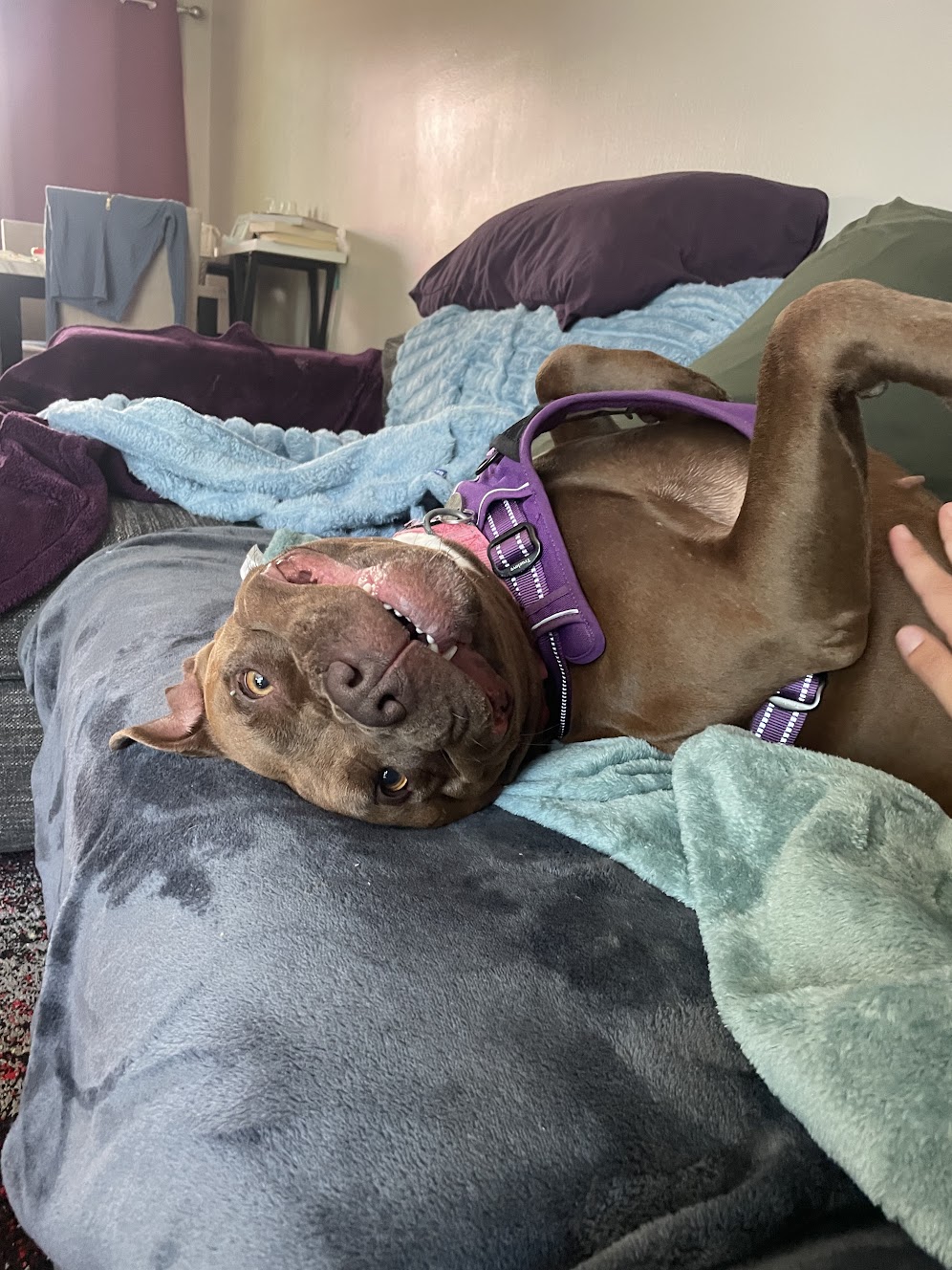
Yawning mid-walk, lip licking, sudden sniffing — these aren't random. Our lead behaviorist breaks down the signals most owners miss.
Most dogs never growl before they bite. Not because they didn't try to communicate — but because no one was listening to the quieter signals they sent first. Learning to read calming signals and stress indicators isn't just useful for preventing incidents; it's the prerequisite for being a genuinely responsive handler on any walk.
These are the signals our behaviorists watch most closely, ranked roughly from low arousal to high.
Low-Level Signals (Easy to Miss)
Yawning
Context matters. A yawn after waking up is a yawn. A yawn when an unfamiliar dog approaches is a self-calming behavior — your dog is trying to signal non-threat and reduce their own arousal simultaneously. Respond by creating distance.
Lip Licking
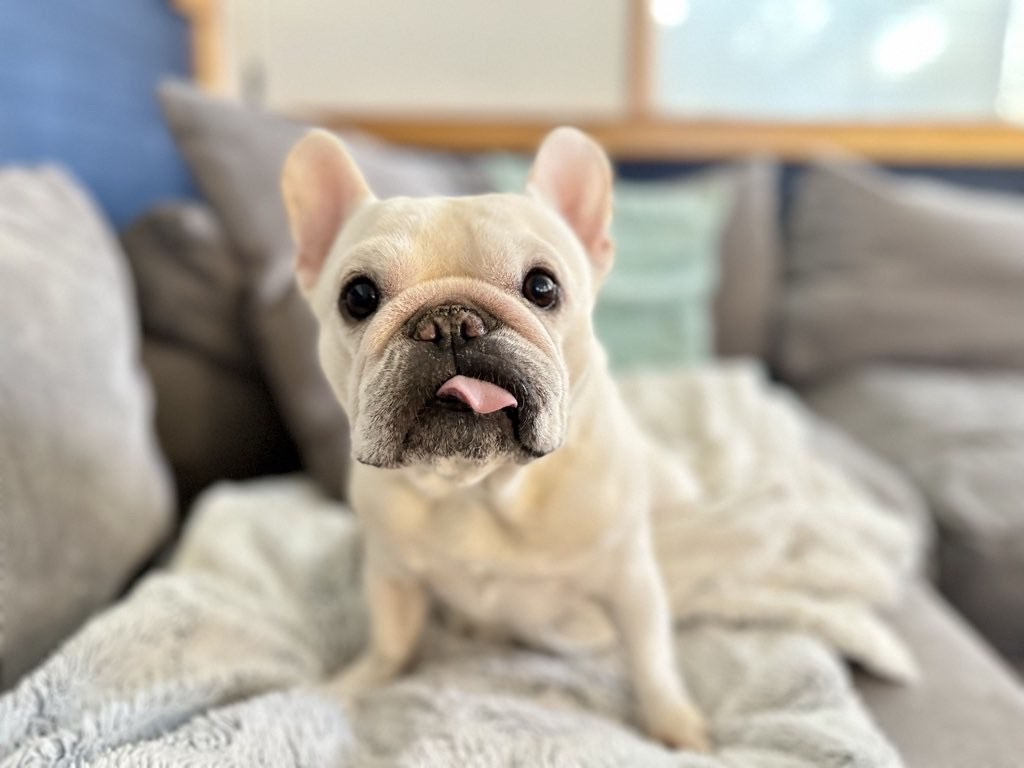
A quick tongue flick — not the sustained licking of a dog who just ate — indicates mild anxiety. Often appears before greetings, near loud noises, or during novel situations. The dog is processing, not panicking. Give them a moment.
Sudden Ground-Sniffing Mid-Walk
Your dog hits a patch of unremarkable sidewalk and becomes intensely interested. This often coincides with an incoming dog or a person who's moving toward them. It's displacement behavior — a way of redirecting focus when a situation feels uncomfortable. Don't drag them away; create space instead.
Mid-Level Signals (Worth Addressing Actively)
Whale Eye
You can see the whites of your dog's eyes — not just the iris. Often accompanied by a stiffening of the body. This is a dog who is uncomfortable and processing whether to move toward or away from whatever triggered it. Increase distance immediately.
Tail Low or Tucked
A low tail during a walk (in a breed where tail carriage is normally mid-level or higher) indicates suppressed arousal or anxiety. A tucked tail is clearer distress. Both are worth noting even if the dog is still moving forward willingly.
Piloerection (Hackles Up)
Often misread as aggression. Hackles rising is involuntary — it's the canine equivalent of goosebumps, triggered by the autonomic nervous system in response to heightened arousal. It can accompany excitement or anxiety. Read the rest of the dog's body before interpreting it.
High-Level Signals (Act Immediately)
Hard Stare
A fixed, unblinking gaze at another dog or person — often with a still body — is a significant warning. This is a dog who has moved past calming signals and is now in direct confrontation mode. Create distance and redirect attention before anything escalates.
Stiff Body, Weight Forward
All four paws planted, weight shifted to the front, body rigid. This is predatory or defensive preparation. If you see this, don't wait — move your dog laterally away from whatever triggered it.
The goal isn't to prevent your dog from ever being stressed. The goal is to notice stress early enough that you can respond before it compounds.
What to Do With This Information
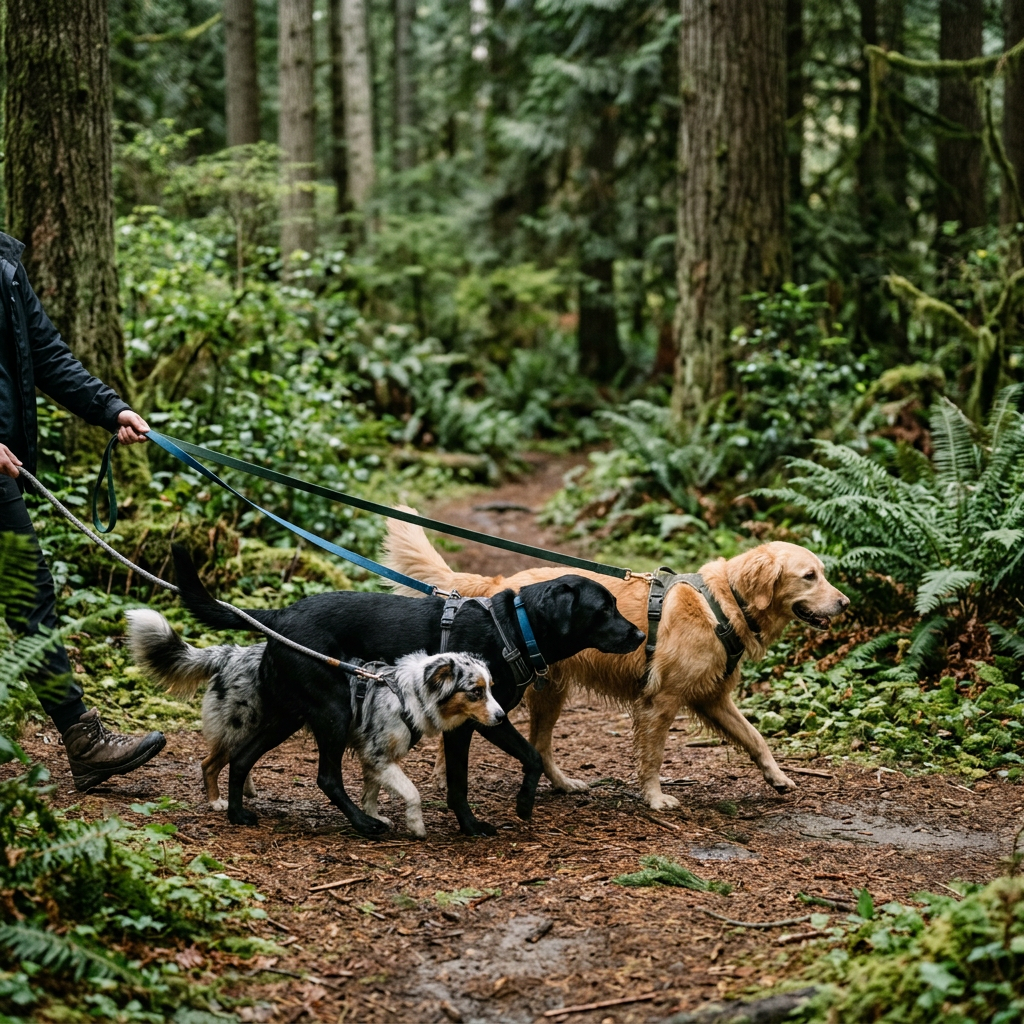
The most practical skill a walker can develop is distance management. Most stress signals are triggered by proximity — to other dogs, unfamiliar people, traffic, or novel environments. When you see an early signal, increase distance before the signal escalates. Over time, dogs who are consistently given this kind of responsive handling develop more confidence in novel situations because they learn that their communication works.