The 16-Week Window: Why Puppy Socialization Can't Wait
The socialization window closes faster than most new owners realize. Here's how to use it wisely — without overwhelming your pup in the process.
Between roughly three and sixteen weeks of age, a puppy's brain is in a uniquely receptive state. Novel experiences encountered during this window are processed differently than those encountered later — they're filed as normal, expected parts of life rather than threats requiring evaluation. The dog who grew up hearing buses, seeing children, and meeting cats has a fundamentally different nervous system than the dog who encountered all of these things for the first time at six months.
This window is the most powerful tool you have as a new owner. It's also one of the easiest to waste.
What Socialization Actually Means
Most owners interpret socialization as "exposure to other dogs." This is necessary but dramatically insufficient. True socialization means systematic, positive exposure to the full range of stimuli your dog will encounter throughout their life:
- People of different ages, sizes, appearances, and movement patterns
- Sounds — traffic, children, construction, music, appliances
- Surfaces — grass, gravel, grates, stairs, hardwood, carpet
- Other animals — including cats, birds, and small mammals
- Handling — ears, paws, mouth, body, nail trims, baths
- Environments — urban streets, parks, elevators, cars, veterinary offices
Each of these categories represents a potential fear trigger in adulthood if not addressed early. A dog who was never handled gently but firmly during the window may develop touch sensitivity that complicates grooming for life. A dog who never heard traffic may be genuinely dangerous to walk near roads at any age.
The Vaccination Dilemma
Most puppies aren't fully vaccinated until sixteen weeks — right as the socialization window closes. This creates an apparent conflict: your vet says keep the puppy away from other dogs; the behaviorist says socialize aggressively. Both are right, and the resolution requires nuance.
The risk of under-socialization is real and lasting. The risk of parvovirus exposure in genuinely safe environments (puppy classes run on clean floors, visits to vaccinated dogs' homes) is relatively low. Talk to your veterinarian about your specific environment and make a considered risk calculation. In most urban settings, controlled socialization before full vaccination completion is the lower-risk choice.
Quality Over Quantity
Flooding — overwhelming a puppy with stimuli before they've had a chance to process and recover — is as harmful as under-socialization. A scared puppy who is forced to "tough it out" isn't learning that the world is safe; they're learning that their fear responses are ignored.
Every socialization experience should end with the puppy choosing to re-engage. If they're retreating and not coming back, you've gone too far.
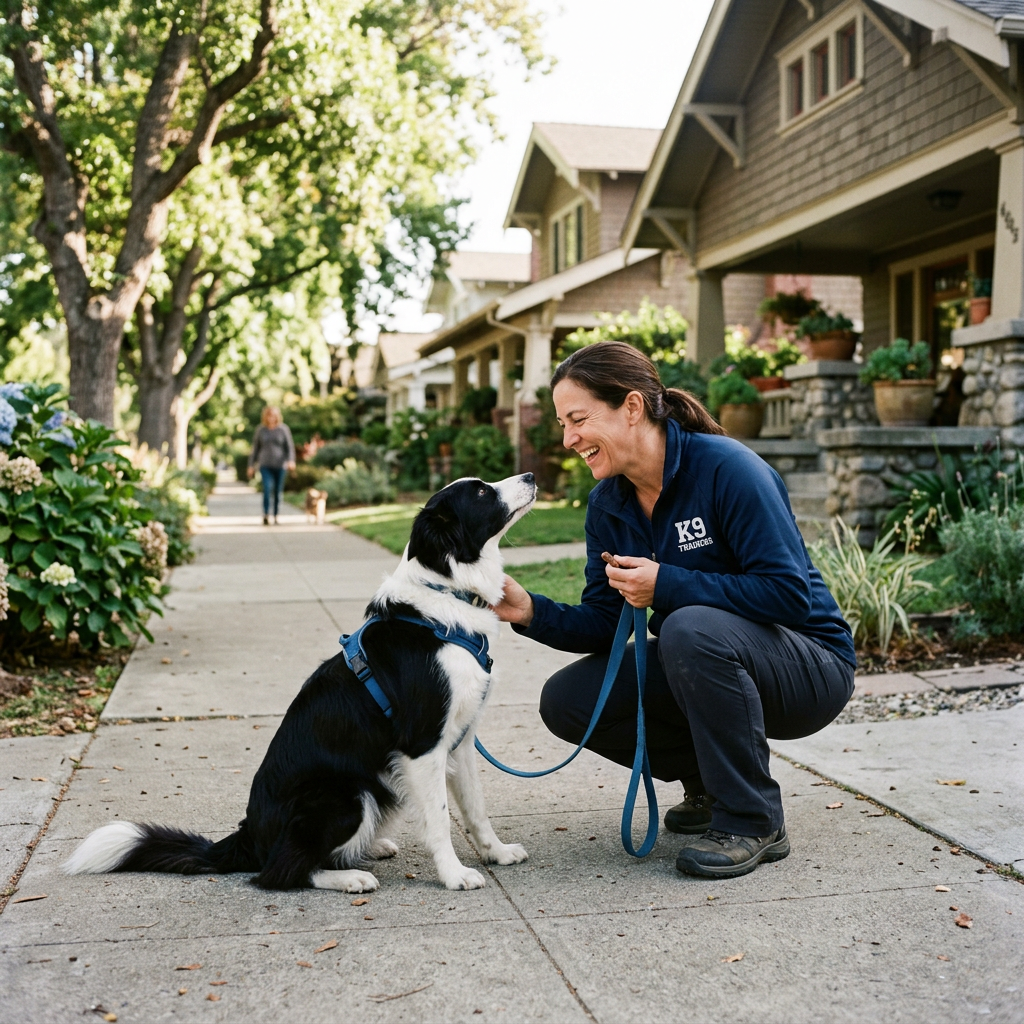
Good socialization looks like this: introduce a novel stimulus at low intensity, let the puppy investigate at their own pace, pair investigation with high-value food, and end the session before the puppy is overwhelmed. Short, frequent, positive exposures compound rapidly over the sixteen-week window.
When the Window Has Closed
If your dog is past sixteen weeks and missed significant socialization opportunities, this doesn't mean you've failed or that improvement is impossible. Older dogs can and do make significant progress with patient, systematic counter-conditioning. The work simply takes longer and requires more consistency. If your adult dog has significant fear responses to common stimuli, a certified behavior consultant can map a realistic desensitization plan.